

Dynamic Sales Leaderboards for Real-Time Motivation: Enhancing Sales Performance Tracking and Gamification
Dynamic sales leaderboards are powerful tools that enhance motivation and performance tracking within sales teams. By providing real-time visibility into individual and team achievements, these leaderboards foster a competitive environment that drives sales performance. This article explores how dynamic sales leaderboards work, their key features, and the benefits they offer to various industries. Many organizations struggle with maintaining employee motivation and engagement, especially in high-pressure sales environments. Implementing dynamic leaderboards can address these challenges by creating a transparent and motivating atmosphere. We will delve into the role of real-time sales analytics, the impact of gamification, and how businesses can effectively implement these systems.
How Do Dynamic Sales Leaderboards Drive Real-Time Sales Motivation?
Dynamic sales leaderboards drive motivation by providing immediate feedback on performance, fostering healthy competition among team members, and ultimately enhancing overall sales outcomes. By displaying real-time data, these leaderboards allow sales professionals to see their rankings and progress, which can significantly boost their drive to excel. The visibility of performance metrics encourages individuals to strive for improvement, as they can directly compare their results with peers. This competitive spirit not only motivates individuals but also cultivates a team-oriented environment where everyone is encouraged to perform at their best.
RooTree Analytic Inc. specializes in providing dynamic sales leaderboard solutions that enhance motivation through real-time performance tracking. Their software integrates seamlessly with existing sales systems, ensuring that teams can leverage data effectively to boost engagement and productivity.
What Role Does Real-Time Sales Analytics Play in Employee Motivation?

Real-time sales analytics play a crucial role in motivating employees by offering immediate feedback on their performance. This instant access to data allows sales professionals to make informed decisions and adjust their strategies accordingly. When employees can see how their efforts translate into results, they are more likely to stay engaged and motivated. Furthermore, analytics foster a competitive environment where team members can track their progress against their peers, driving them to improve continuously.
RooTree Analytic Inc. provides advanced analytics tools that empower sales teams to harness the power of data. By utilizing these tools, organizations can create a culture of accountability and performance, leading to enhanced motivation and productivity.
What Are the Key Features of Effective Sales Leaderboard Software?
Effective sales leaderboard software should include several key features to maximize its impact on motivation and performance tracking. These features include:
These features collectively enhance the effectiveness of sales leaderboards, making them a vital tool for any sales organization looking to boost performance and motivation.
How Does CRM Integration Enhance Sales Performance Tracking?
CRM integration enhances sales performance tracking by centralizing data collection and standardizing performance metrics. When sales leaderboard software is integrated with a CRM system, it can automatically pull relevant data, ensuring that the information displayed is accurate and up-to-date. This integration allows sales teams to gain actionable insights from their performance data, enabling them to make informed decisions that drive results.
Additionally, real-time insights from integrated systems help sales managers identify trends and areas for improvement, fostering a culture of continuous development within the team. By leveraging CRM integration, organizations can optimize their sales processes and enhance overall performance.
What Customizable Dashboards and Metrics Optimize Transparency?
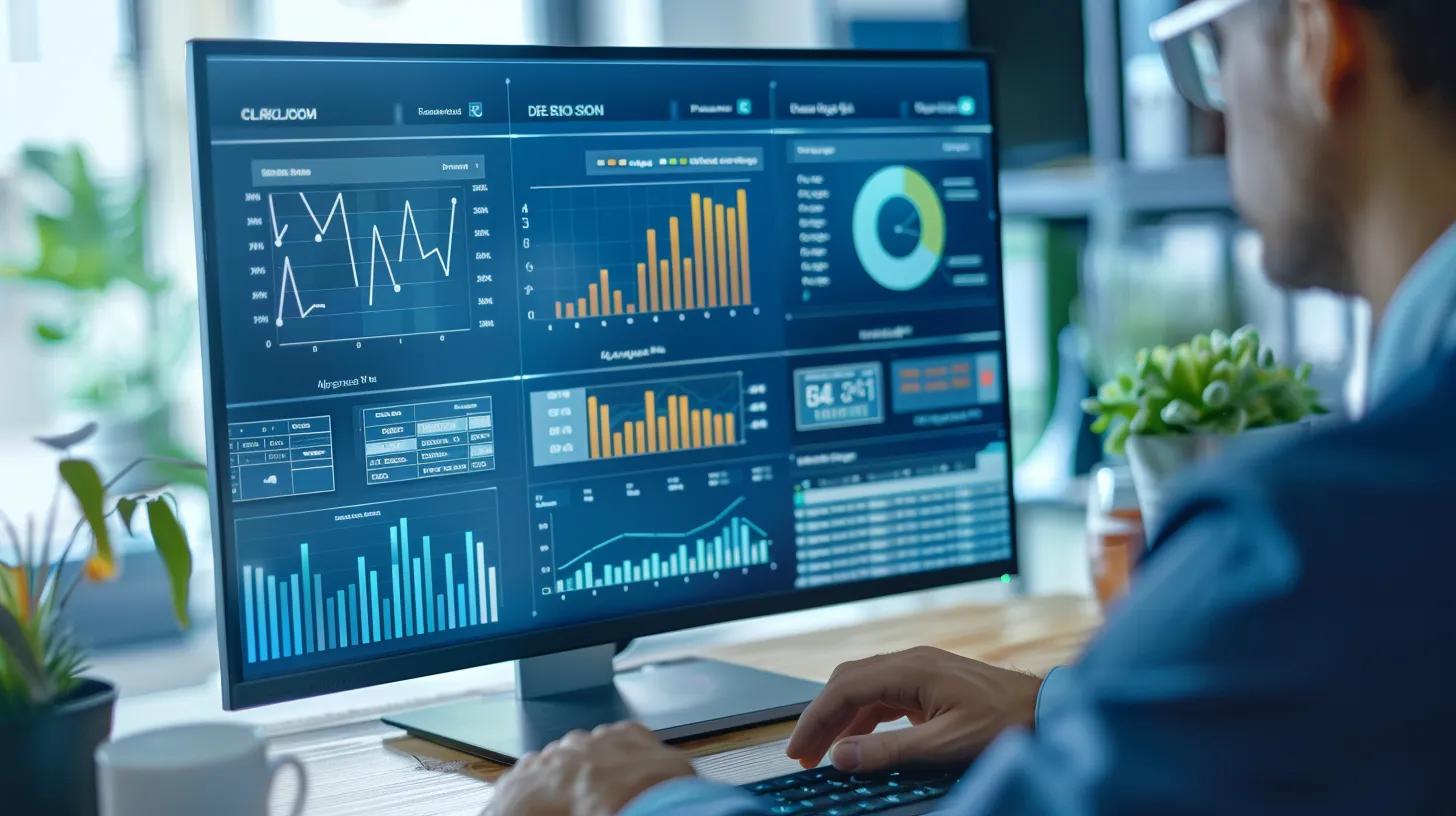
Customizable dashboards and metrics are essential for optimizing transparency within sales teams. By allowing users to tailor their dashboards to display the most relevant performance indicators, organizations can ensure that team members focus on the metrics that matter most. This customization fosters a sense of ownership and accountability, as employees can track their progress against specific goals.
Moreover, real-time data visibility through customizable dashboards enhances communication within teams, as everyone can see how their contributions impact overall performance. This transparency not only motivates individuals but also encourages collaboration and support among team members.
Which Industries Benefit Most from Real-Time Sales Leaderboards?
Real-time sales leaderboards can benefit various industries, particularly those with competitive sales environments. Some of the key sectors that gain from implementing these systems include:
- Insurance: Sales teams can track policy sales and client interactions, motivating agents to exceed their targets.
- Banking Services: Real-time performance tracking helps financial advisors improve client engagement and service delivery.
- Retail: Sales associates can see their performance against peers, driving them to enhance customer service and sales.
By leveraging dynamic sales leaderboards, these industries can create a motivated workforce that consistently strives for excellence.
How Financial and Insurance Sectors Leverage Sales Gamification Tools?
The financial and insurance sectors leverage sales gamification tools to enhance motivation and performance tracking. By incorporating game-like elements into their sales processes, organizations can create a more engaging environment for their employees. These tools often include features such as leaderboards, badges, and rewards for achieving specific milestones.
Gamification not only motivates employees but also fosters a sense of community and collaboration within teams. As individuals work towards common goals, they are more likely to support one another and share best practices, ultimately leading to improved performance across the board.
Further research highlights the growing importance of gamification in motivating sales teams, even as its application in remuneration systems continues to evolve.
Gamification for Sales Force Motivation & Incentives
Gamification as the use of game mechanisms for motivation in non-game contexts has been gaining popularity and is considered one of the hottest topics in management. However, there is little research on gamification in remuneration systems, especially with regard to the sales force.
Gamification for sales incentives, J Woźniak, 2020
What Advantages Do SMBs Gain from Implementing Sales Leaderboards?
Small and medium-sized businesses (SMBs) can gain several advantages from implementing sales leaderboards, including:
- Real-Time Performance Tracking: SMBs can monitor sales activities and outcomes, allowing for quick adjustments to strategies.
- Enhanced Motivation: Leaderboards create a competitive atmosphere that encourages employees to perform at their best.
- Data-Driven Insights: Access to performance metrics enables SMBs to make informed decisions that drive growth.
By adopting dynamic sales leaderboards, SMBs can level the playing field with larger competitors and foster a culture of high performance.
How Can Businesses Implement and Secure Dynamic Sales Leaderboards?
Implementing and securing dynamic sales leaderboards involves several key steps. First, businesses should assess their current sales processes and identify areas where leaderboards can add value. Next, selecting the right software that integrates seamlessly with existing systems is crucial for success.
Once the software is in place, organizations should establish clear guidelines for data security and access control to protect sensitive information. Regularly reviewing and updating these protocols will ensure that the sales leaderboard remains a secure and effective tool for motivation and performance tracking.
What Are Best Practices for Technical Setup and Data Security?
Best practices for technical setup and data security include:
- Regular Software Updates: Keeping software up-to-date ensures that security vulnerabilities are addressed promptly.
- Access Control: Limiting access to sensitive data helps protect against unauthorized use.
- Data Encryption: Implementing encryption protocols safeguards data during transmission and storage.
By following these best practices, businesses can ensure that their dynamic sales leaderboards are both effective and secure.
How to Measure ROI and Sales Productivity Improvements Effectively?
Measuring ROI and sales productivity improvements effectively requires a systematic approach. Businesses should establish clear metrics for success, such as increased sales volume, improved conversion rates, and enhanced employee engagement.
Regularly analyzing these metrics will provide insights into the effectiveness of the sales leaderboard and its impact on overall performance. By tracking these indicators over time, organizations can make informed decisions about future investments in sales technology and strategies.
